How a book club moved five of my team from B and C players to A-players
At a glance
- Client type: My own team, about 25 people across five African markets
- My role: General Manager-UG, digital marketing agency
- Timeframe: Launched 2022; improvement visible within 6 to 12 months
- Result: All five moved up to A-player level.
Five people on my team of about 25 weren’t yet where they could be: four B players and one C player. In 2022, after a personal leadership pivot, I started a book club called BLU Book-ED to change that.
The challenge: Our people were spread across five countries, and I couldn’t coach each of them from a desk. Uneven performance in a team like that rarely fixes itself.
What I did
- Made learning a team habit, with a club built around intentional professional development.
- Tied each book to real work: productivity, client relationships and leading others.
- Held weekly one-on-one sessions with each of the five in my OPCO.
- Let the reviews judge it. Their line managers rated them in our quarterly performance reviews.
The results
- All five (four B, one C) reached A-player level within 6 to 12 months
- The growth showed up in line-manager reviews, and clients complimented it too
- One technically strong hire built the leadership skills to move up the ranks
- Book-ED grew into a podcast on Spotify
The lesson: “You don’t need a bigger training budget. You need a shared habit of learning.”
What this means for you: If you’re an HR manager asked to grow people, this approach works inside the reviews you already run.
Call to action: Want to skill up your team? Let’s design a learning programme around their real work.
Bugiri WASH for Schools
Telling the story of five Bugiri schools: how clean water and student-led health clubs reached more than 4,000 people.
At a glance
- Client type: Rotary Club of Ntinda project with Rotary Club of Toronto Eglinton
- My role: Led publicity and storytelling
- Timeframe: March 2023 to June 2025
- Result: 4,023 pupils and community members reached, with a story partners, schools and the media could follow.
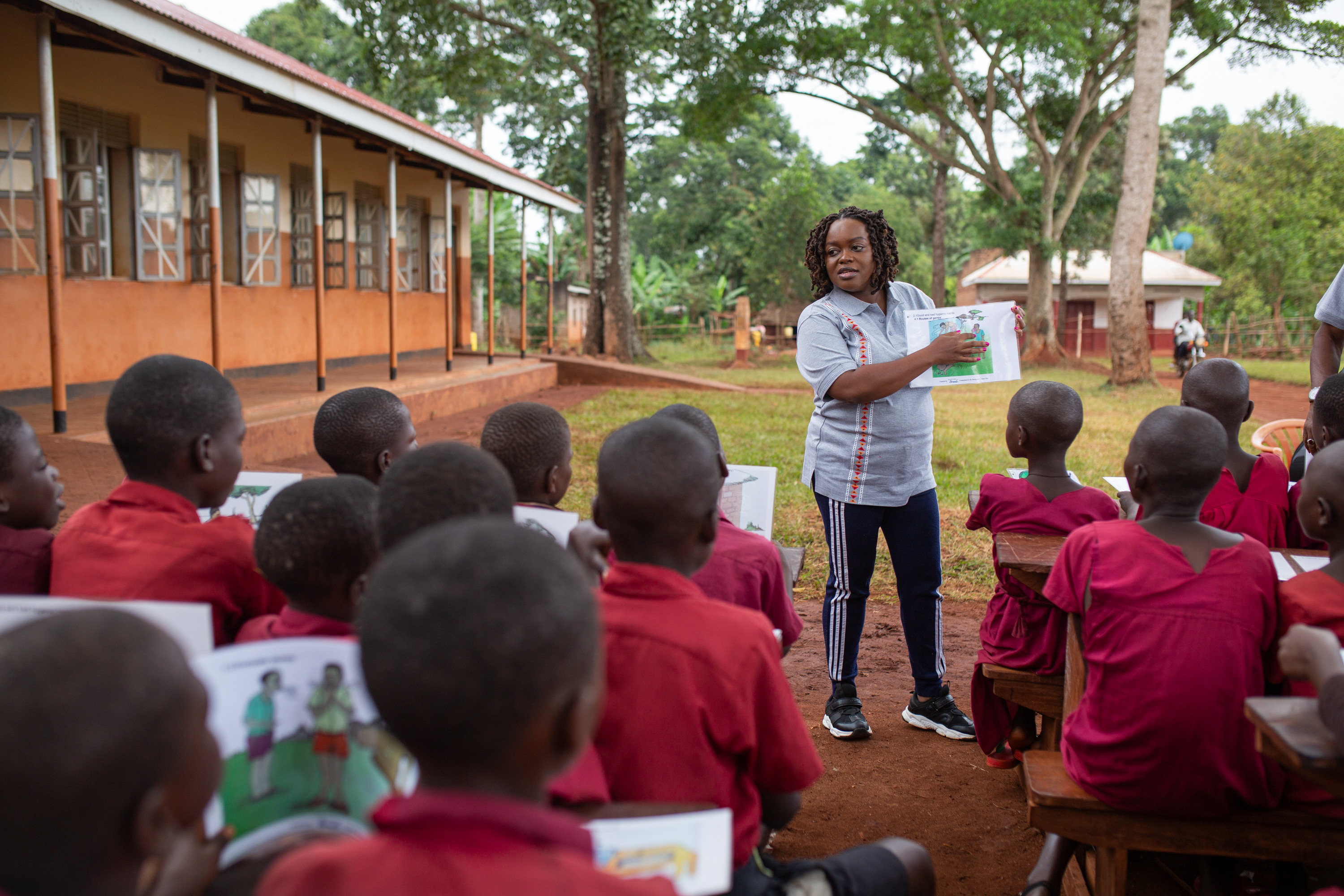
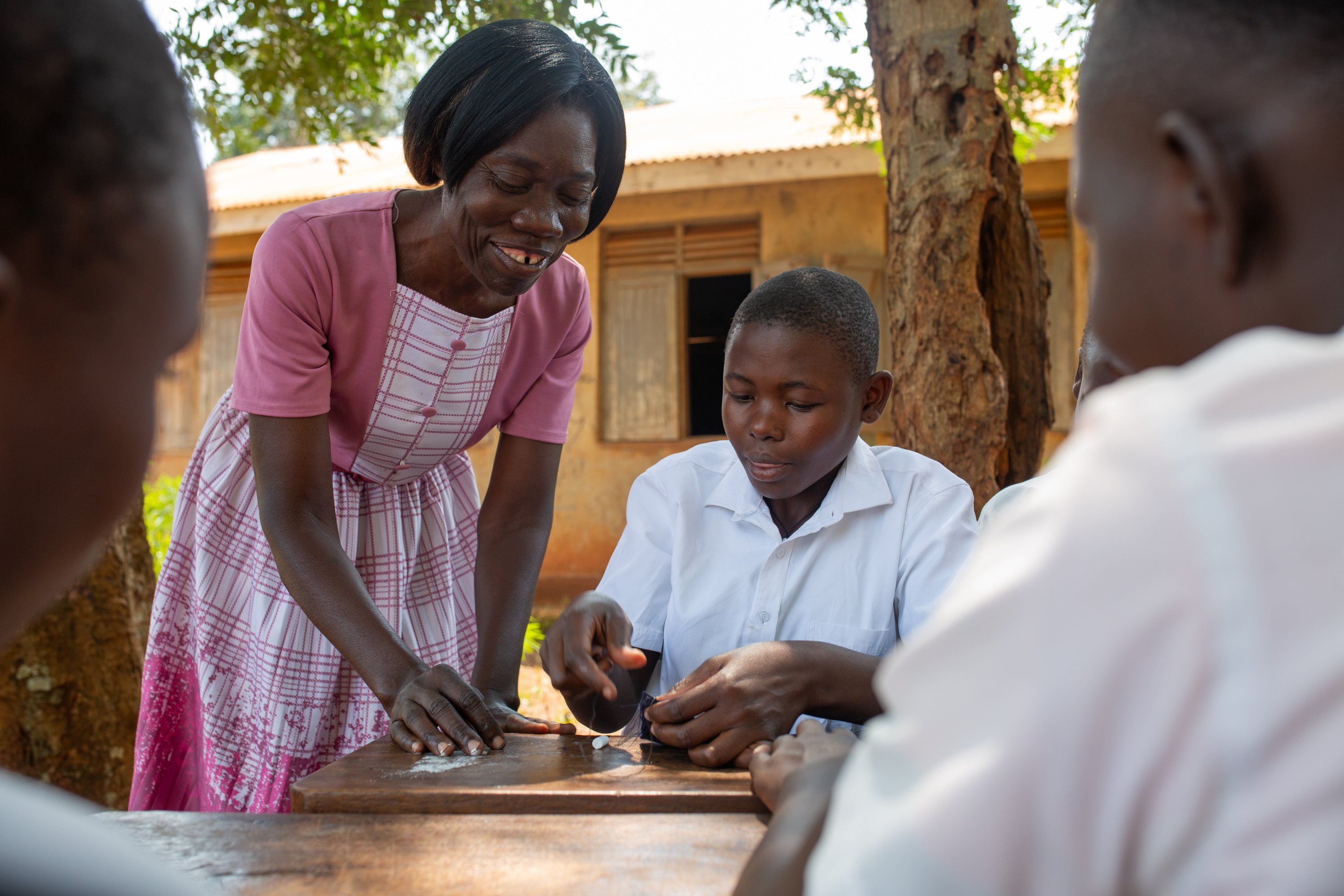
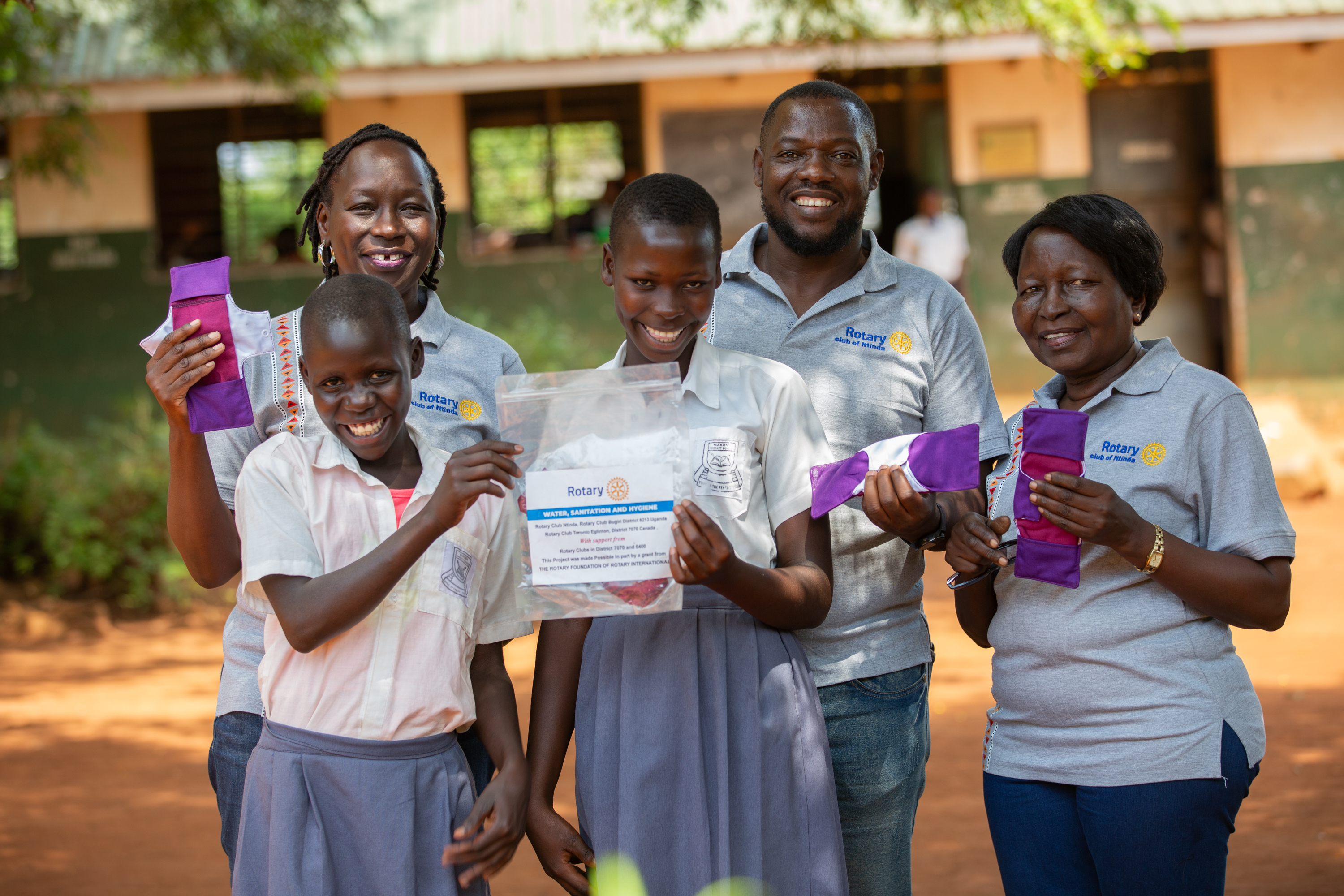
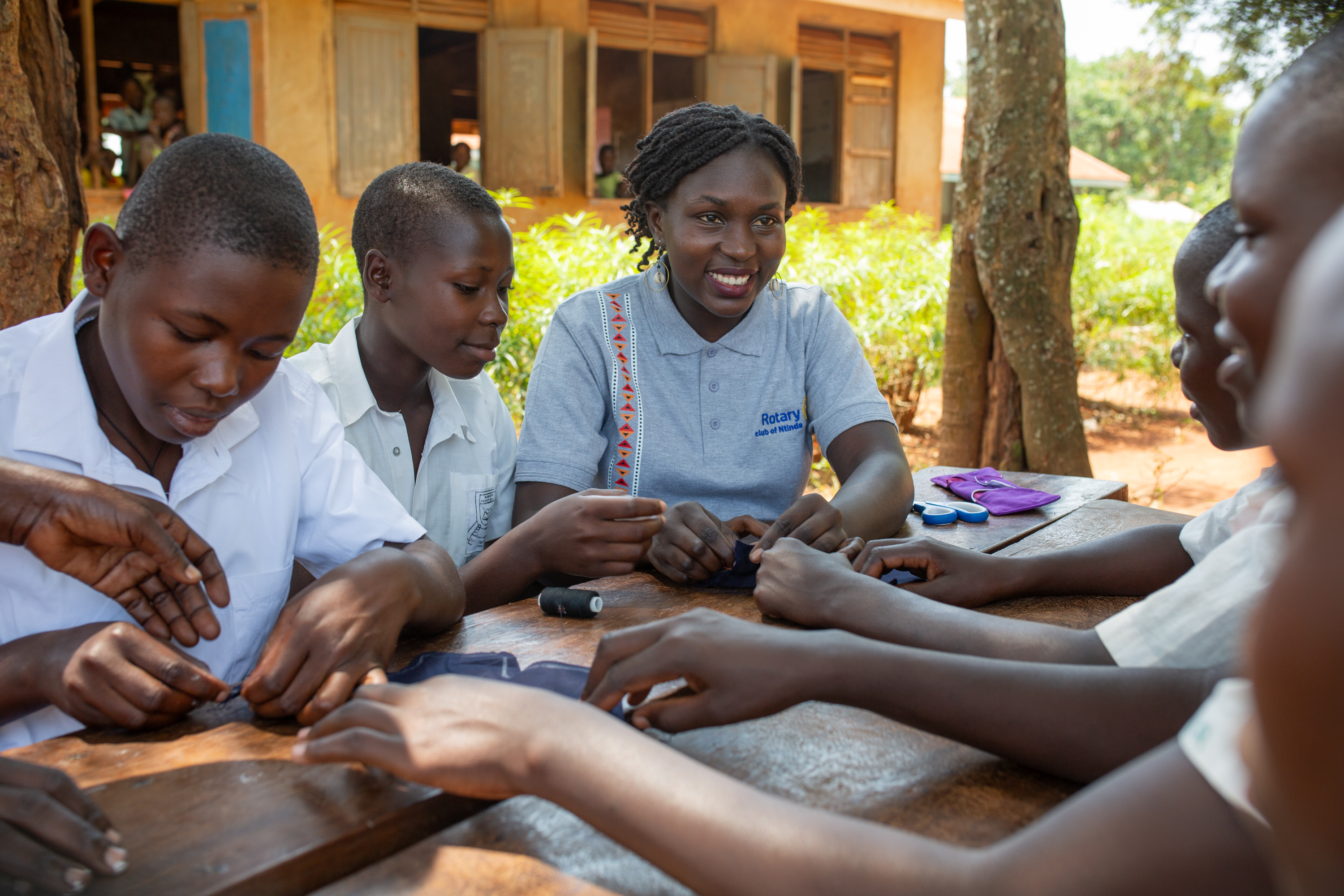

The Context: Managing multi-stakeholder communication and on-the-ground coordination for a major Rotary International project across five schools. The challenge was clear: infrastructure data (like water tanks and latrines) rarely secures funding or emotional buy-in on its own stories do.
My Direct Role: Coordinated all on-the-ground activities for the Rotary International photoshoot, briefed club members, managed branded apparel logistics, prepared the project manager, and supported the media and photography teams on-site.
What I Did:
- Found the Human Story: Shifted the narrative away from dry metrics by spotlighting real human transformations such as pupils making and selling liquid soap, and girls sewing their own reusable pads.
- Brought People to the Work: Orchestrated high-visibility launches bringing together clubs, schools, local authorities, and the media, bridging the gap between donors in Canada and communities on the ground in Uganda.
- Maintained Transparent Communication: Kept international and local partners fully informed through regular updates and structured engagement channels.
The Results:
- 4,023 pupils and community members reached (collaborative team execution amplified by strategic storytelling).
- Infrastructure delivery: Four 30,000-litre rainwater tanks, a borehole, six latrines, six handwashing stands, and five active student-led health clubs established.
- The Impact: Transformed technical project reporting into a compelling narrative asset that secured stakeholder confidence and long-term community ownership.
The Lesson: “Good work only travels as far as its story.”
What This Means for You: If you run youth programmes or institutional projects, I can help you translate operational data and technical milestones into clear, human-centered impact stories that earn the next partner, grant, or room of supporters.
Call to Action: Have a programme that needs its story told? Let’s talk.
The UGX 100+ million invoice
I recovered UGX 100 million the formal process said to write off
At a glance
- Client type: A large corporate client (confidential)
- My role: General Manager, digital marketing agency
- Timeframe: Recovered in about nine months
- Result: Paid in full, contract renewed, 100% compliance afterwards
Soon after I joined the agency, I inherited a pile of finished work that the client’s system refused to pay.
The challenge: The client only pays invoices attached to purchase orders. We had worked on written promises of LPOs that were never secured. Over UGX 100 million sat unpaid, and nobody on the local team knew the route. The usual answer was to write it off.
What I did
- Learned the client’s rule instead of arguing with it. I already knew their policies.
- Chose the right room: their monthly senior meeting, not a chain of finance emails.
- Owned the gap. I told her plainly we were fixing our own processes.
- Asked for a way through. She provided for it in the current year’s budget, from the brand marketing budgets involved.
The results
- Over UGX 100 million recovered in full, in about nine months
- The contract was renewed
- 100% compliance for the rest of our time with the client
The lesson: “The process said write it off. The relationship found a way.”
What this means for you: Influence rarely sits in the org chart. I coach managers to build the trust that gets stuck things moving.
Call to action: Want to build that kind of credibility? Book a conversation.
Cross-Border Operational Architecture Without Physical Footprints
- At a Glance:
- Context: Scaling regional operations for a major telecommunications/connectivity provider.
- My Role: Group CEO (January 2025 to May 2026).
- Timeframe: Scaled from a high-stakes three-month trial into a long-term regional agreement.
- Result: Secured a recurring six-figure annual contract value, successfully deploying operational services across three distinct regional markets (Central and East/West Africa) with zero physical office overhead.
- The Challenge:The client required boots on the ground across multiple countries (DRC, Tanzania, and Nigeria), but we had no established physical offices in those regions, and severe capital controls restricted cross-border payments out of key markets. One compliance misstep or payroll delay could stall the entire multi-country contract.
- What I Did:
- Designed a Lean Operating Model: Architected a borderless, asset-light framework that bypassed the high cost of setting up foreign subsidiaries or physical offices.
- Identified & Secured Strategic Alliances: Sourced and vetted a trusted regional HR consultancy partner with existing legal and operational infrastructure across all target markets.
- Operationalized Local Execution: Delegated local talent deployment, compliance adherence, payroll management, and multi-currency client collections to our regional partner while keeping our core management team lean (12 staff).
- Structured Governance: Led the contract negotiations and operational design to ensure seamless service delivery and risk mitigation.
- The Results:
- Secured and successfully structured a major recurring annual contract.
- Delivered seamless, multi-market service execution across three countries with zero physical branch infrastructure.
- Convinced the client to transition rapidly from a tentative three-month trial into a stable, long-term operational agreement.
- The Lesson:“If you can’t be everywhere, build strategic ecosystems with those who already are.”
- What This Means for You:If your organization or programmes cross borders, I understand the complex talent, payroll, and compliance hurdles that slow execution down—and how to design agile operating models to solve them.
- Call to Action:Running multi-market operations or scaling cross-border teams? Let’s talk about how to set it up.
Trusted by Leaders Across the Continent
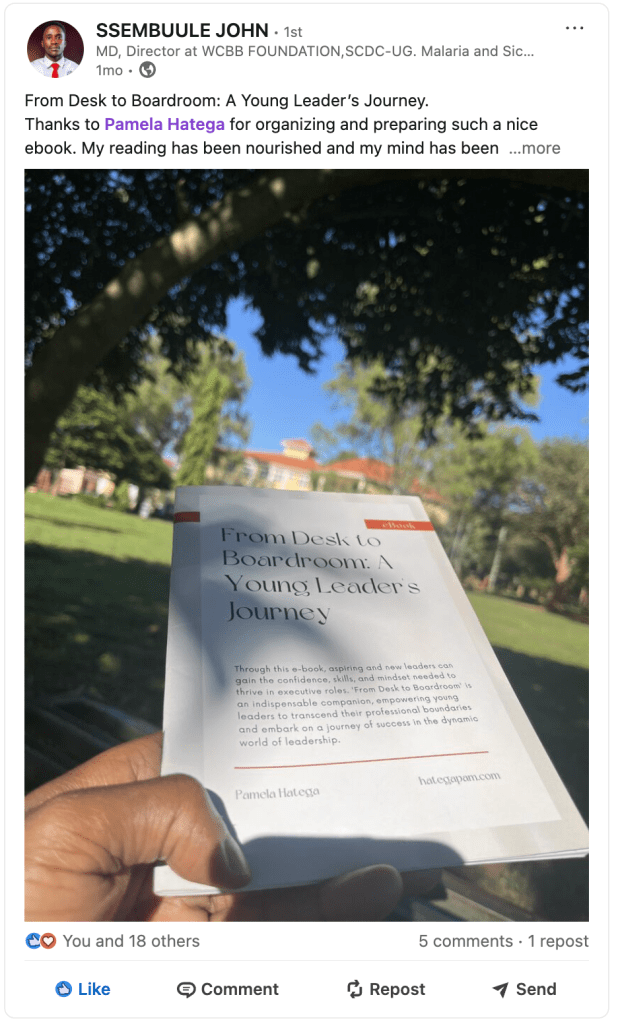
Ssembuule John shared that engaging with From Desk to Boardroom enriched his thinking and left a lasting impression on his growth as a leader.
— Ssembuule John, MD, Director at WCBB Foundation