When there is no paycheck on the line, what makes people show up? I have been asking myself that question since I became President of my Rotary club, and my first 100 days have taught me a great deal about human motivation.
The honest starting point
We join service organisations with a genuine wish to give back. But we are still individuals, and whether we intend to or not, we often put ourselves first. We attend a weekly meeting if the topic or the speaker interests us. We put our paid work, family or business first and fit Rotary into the remaining margins. At our core, we are wired to ask, “What’s in it for me?”
That is completely okay. The secret to leading volunteers isn’t to change human nature. It is to align it with a higher purpose.
Why blanket appeals fall short
There is real joy in empowering someone else, which is why community service feels so rewarding. But joy alone doesn’t get people to the meeting. Blanket calls to action and institutional pressure rarely produce consistent commitment. What I have found works is appealing to personal interest, one individual at a time.
Four lessons for leading without financial leverage
1. Uncover individual motivations
Every member joined for a different reason. Some came for business networking, some for leadership growth, some for hands-on community impact, and some simply for fellowship. None of these is better than the others. A leader’s job is to find out which one drives each person, and that starts with a genuine conversation.
2. Delegate by alignment, not by force
Match tasks to people’s personal or professional interests. An accountant will feel far more fulfilled auditing project budgets than designing event flyers. When people do what they naturally enjoy, service feels effortless.
3. Connect the small task to the big joy
Remind volunteers why their individual contribution matters. Writing a quick report or making a phone call can feel like administrative drag. It is actually the engine that delivers water to a school or cancer screening to a mother. People will do small things for a cause they can see.
4. Offer micro-recognition
You cannot reward volunteers with bonuses, so recognition becomes your currency. Publicly appreciating someone’s effort, acknowledging their time and celebrating their contribution builds genuine loyalty. It costs nothing, and it is often the reason someone comes back next week.
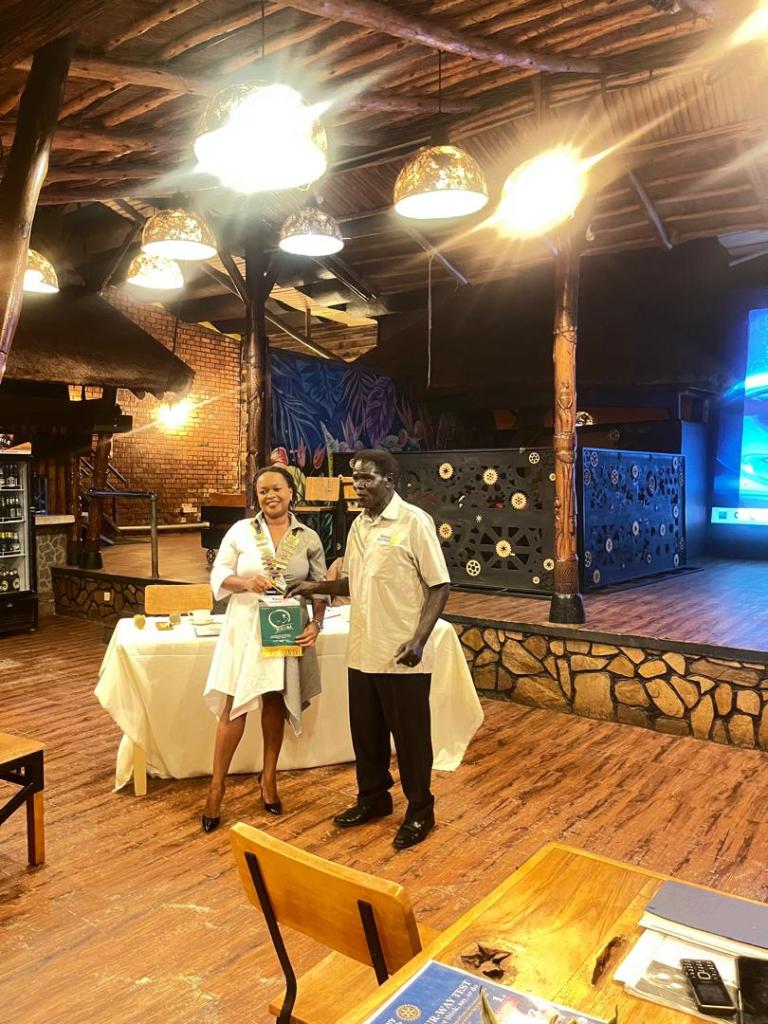
PP John Kafuluma visited the Rotary Club of Buloba on our behalf and returned with their club banner. In true Rotary tradition, the banner went to the President and the member got a rousing chorus of “He’s a jolly good fellow.” 🎶
The purest form of leadership
Leading volunteers has taught me that you cannot command, you can only inspire and align. The same is true in any organisation where people choose how much of themselves to give, which today is most of them.


Leave a Reply